
Tech Insights
Smart PCB Design That Cuts Material Costs

In PCB sourcing, material cost is often treated as a variable to be negotiated.In reality, for most designs, material cost is largely fixed the moment the stackup and key design rules are released. Copper weight, prepreg selection, layer count, copper distribution, and laminate grade decisions are typically made early—often conservatively—to “stay safe.” Once frozen, these…
Read MoreStop the Guesswork: A Practical Guide to Choosing Between CNC Machining, Die Casting, and Sheet Metal
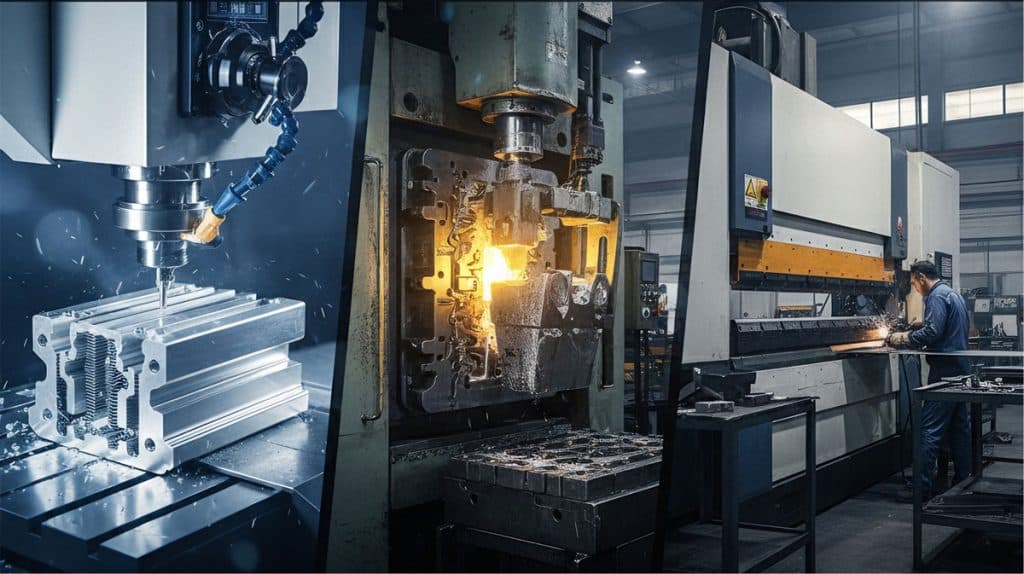
On drawings, the choice between CNC machining, die casting, and sheet metal fabrication often appears straightforward. Yet in real-world production, OEMs frequently make suboptimal process decisions—driving up costs, extending lead times, and creating downstream assembly challenges. The real difficulty lies not in understanding what each process is, but in how each behaves under actual manufacturing…
Read MoreMedical PCBs: Requirements, Applications, and Design Considerations

In the medical industry, PCBs are more than electronic backbones — they directly impact patient safety, device reliability, and regulatory approval. Designing a PCB for medical use requires strict compliance with standards such as ISO 13485, FDA guidelines, and IPC Class 3, but the requirements vary greatly depending on the type of device. 1. Implantable…
Read MoreSingle-Sided vs. Double-Sided vs. Multilayer PCBs: Which One Fits Your Needs?

When choosing a PCB, the number of copper layers matters. It affects not only cost but also design complexity, performance, and applications. Let’s quickly break down the three main types of PCBs. Single-Sided PCBs Layer Construction of Single-sided PCB A single-sided PCB has copper traces on only one side of the board, while electronic components…
Read MoreUnderstanding Cable Design: Water-Resistant, Waterproof, and Watertight
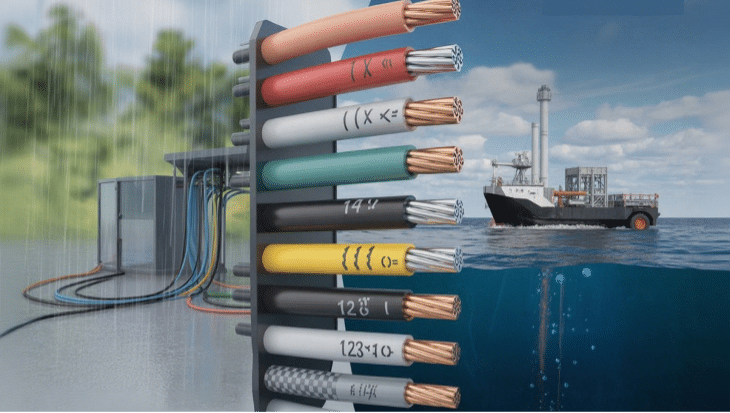
In industrial, marine, and outdoor environments, electrical cables often face constant exposure to moisture, rain, and even complete submersion. Selecting the right level of water protection is critical not only for maintaining electrical performance but also for extending system lifespan and avoiding costly failures. To address these challenges, cables are commonly classified into three protection…
Read More